


The 9 Hidden Faces of Dyscalculia That Every Parent and Teacher Needs to Know and the Signs we Keep Misreading

Updated: Sep 14

Kids with dyscalculia don’t just struggle with math—they carry an invisible burden the world keeps getting wrong.
For decades, their challenges have been misunderstood, mislabeled, and dismissed, with consequences far more serious than most people realize.
Parents see the tears, the frustration, the “I don’t know” shutdowns—and wonder if they’re doing something wrong.
Teachers see inconsistent performance but can’t explain it.
Clinicians see test scores that look “fine” but fail to capture the child’s lived reality.
And here’s the uncomfortable truth:
If you’ve met a child who panics over simple problems, argues instead of trying, forgets everything from yesterday’s lesson, or earns A’s while secretly understanding nothing—you haven’t met five different kids.
You’ve met five different faces of dyscalculia.
These kids learn to mask, adapt, and survive—behaviors often mistaken for apathy, perfectionism, laziness, or defiance. None of it reflects their actual intelligence, willingness, or potential. It reflects the survival strategies they’ve had to develop in a system that doesn’t recognize their cognitive profile.
After twelve years of working almost exclusively with neurodiverse learners—students with autism, students with ADHD, anxious students, brilliant students who think they’re “bad at math”—I’ve watched the same patterns emerge again and again. Patterns no diagnostic manual, evaluation tool, or curriculum has ever named… but should have.
So I named them.
This framework is the first practitioner-created classification system based on real students, real behaviors, and real cognitive patterns—not stereotypes or test scores. It finally gives parents the explanation they’ve searched for, teachers the clarity they’ve never been given, and clinicians the insight traditional assessments can’t reveal.
It’s designed for the people who need it most:
Parents trying to understand their child and finally get answers
Educators trying to reach a student who keeps slipping through their fingers
Clinicians trying not to overlook the kids who score “average” but are drowning
Of the nine profiles I’ve identified, three stand out as the most urgent—because misunderstanding them causes the most damage, and understanding them creates the fastest transformation.
The Defiant Beauty.
The Memory Vaporizer.
The Conceptual Stranger.
These aren’t just labels.
They’re lenses that reveal what’s really happening beneath the behavior, the fear, the confusion, and the mask.
This is the classification system we should have had years ago—one that can transform how we see, support, and empower these incredible kids, and finally rewrite the story they’ve been forced to carry for far too long.
Why Dyscalculia Is Misunderstood (and Misdiagnosed)
Dyscalculia isn’t rare.
What’s rare is recognizing it before it’s too late.
Parents often sense something long before the system does—a child freezing over homework, avoiding anything with numbers, melting down at the kitchen table over a single worksheet. Teachers see a different version: the slow worker, the anxious test-taker, the quiet avoider, the student who drifts during math but seems fine in everything else. Clinicians see yet another version in their evaluation rooms: a child whose test scores don’t quite match their lived experience.
Same child.
Three different stories.
Zero alignment.
This fractured view is the heart of why dyscalculia remains misunderstood.
1. The Behavior Gets Misread
Kids don’t choose to struggle with math.
They compensate. They mask. They self-protect.
But to adults, those protective behaviors can look like:
“not trying,”
“being lazy,”
“refusing to focus,”
“being dramatic,”
“acting out,”
“giving up.”
For parents, this often looks like a child who shuts down the moment homework comes out, insists “I can’t,” or spirals into tears after a single mistake.
The truth?
Most dyscalculic kids are working harder than anyone realizes. They’re not avoiding the math—they’re avoiding the feeling the math creates: humiliation, panic, or the familiar ache of falling behind again.
These behaviors don’t reflect motivation.
They reflect emotional survival.
But even when adults recognize that something deeper is happening, the tools they rely on to diagnose dyscalculia often fall short.
2. The Tests Don’t Measure What Matters
Schools use:
timed drills
rote computation
multiple-choice tests
standardized benchmarks
Clinicians use:
IQ subtests
math composites
broad achievement scores
None of these tools measure what matters most:
conceptual understanding and working memory—the twin engines of math success.
A child can:
compute without understanding
memorize without reasoning
score well while drowning
appear “on level” while years behind
This is why dyscalculia hides so well.
The tests aren’t wrong—they’re just looking in the wrong direction.
And even when assessments miss the mark, dyscalculic students find ways to hide their struggle even more effectively.
3. The Masking Is Shockingly Effective
If masking were a sport, dyscalculic kids would be Olympic-level.
They become experts at:
copying classmates
memorizing steps
mimicking procedures
guessing patterns
rehearsing scripts
giving “just enough” to stay under the radar
Many of the strongest math students in elementary school crumble in middle school because they were never doing math—they were replicating it.
Masking is not intelligence.
It’s survival.
But masking only gets more effective—and more confusing—when dyscalculia overlaps with other neurodivergent profiles.
4. The Overlap With ADHD and Autism Creates Diagnostic Chaos
Dyscalculia, ADHD, and autism all involve challenges with:
executive function
processing speed
working memory
sequencing
generalization
emotional regulation under demand
To a clinician, these overlaps blur the picture.
To a teacher, they muddy the interpretation.
To a parent, they complicate everything.
Because ADHD and autism are more widely recognized, dyscalculia often gets absorbed into those labels—treated as a focus issue, a behavioral issue, or an anxiety issue instead of a math learning disability.
So the dyscalculia goes unaddressed.And the math struggle deepens.
And as the struggle deepens, something far more damaging begins to grow.

5. The Shame Cycle Is Invisible but Devastating
No learning disability erodes confidence faster than dyscalculia.
When a child:
tries hard
keeps failing
feels misunderstood
gets blamed for “not trying”
watches peers race ahead
…their self-worth collapses.
This shame fuels the behaviors adults misinterpret:
shutdown
avoidance
perfectionism
arguing
defiance
withdrawal
These aren’t personality problems.
They’re emotional scar tissue.
And all of this leads to the core problem—the reason dyscalculia goes undetected for years.
6. The Real Issue: Dyscalculia Isn’t One Thing
This is the fundamental misunderstanding.
Most people think dyscalculia = “bad at math.”
But what looks like:
anxiety in one child,
defiance in another,
forgetfulness in another,
perfectionism in another,
avoidance in another
…are often completely different cognitive profiles.
Nine, to be exact.
Nine patterns.
Nine survival strategies.
Nine ways a child tries to navigate a system that has no language for their experience.
This is why kids slip through the cracks.
This is why schools miss it.
This is why parents feel helpless.
This is why clinicians misdiagnose.
Because dyscalculia isn’t a single struggle.
It’s a constellation.
When we stop treating it as one thing—and start recognizing it as nine distinct cognitive survival patterns—we can finally give these kids the support they deserve.
And that changes everything.
The 9 Hidden Faces of Dyscalculia
Dyscalculia doesn’t just look different in every child—it hides in plain sight, wearing nine distinct faces.
These aren’t random patterns.
They’re the key to understanding why so many kids struggle in silence, why traditional evaluations miss the mark, and how we can finally give these students the support they deserve.
Over twelve years, I’ve watched these profiles emerge again and again—across ages, neurotypes, cultures, and school systems. They reveal how a child experiences math, why they’re struggling, and what kind of intervention actually works.
By understanding these profiles, parents, educators, and clinicians can finally connect the dots between a child’s outward behavior and their inner cognitive world.
Here’s the complete overview before we dive into the three most critical profiles.
1. The Defiant Beauty
Looks resistant.
Acts argumentative.
Pushes back hard.
But beneath the armor is a child who has spent years feeling stupid, embarrassed, or misunderstood—and will do anything to protect themselves from feeling that way again.
They’re not defiant.
They’re drowning in shame and fear.
2. The Memory Vaporizer
This child learns something today… and watches it vanish tomorrow.
Facts, steps, procedures—it’s as if they were never there.
Nothing “sticks,” not because they’re not paying attention, but because working memory collapses under the weight of multistep thinking.
3. The Conceptual Stranger
Highly verbal.
Intelligent.
But fundamentally disconnected from the foundational concepts that make math make sense.
They’ve memorized their way through years of school, but behind the curtain?Nothing connects. Nothing belongs anywhere.
4. The Procedural Performer
They follow steps flawlessly, impress teachers, and look like strong math students…until you ask them to think.
Without memorized steps to cling to, they crumble.
In higher math—where procedures fall apart—they collapse.
This is the most frequently overlooked profile by schools and clinicians.
5. The Mid-Problem Forgetter
They start confidently… then everything unravels.
Steps blur.
Direction disappears.
A number changes and the entire plan falls apart.
This is what happens when working memory and processing speed collide.

6. The Shutdown Thinker
Quiet. Withdrawn.
Overwhelmed by the mental effort math demands.
Often autistic or deeply anxious, this child’s brain simply hits capacity and shuts down—not from defiance, but from overload.
Their silence is their safety.
7. The Avoider / Arguer
They’ll debate, distract, joke, derail, change the subject, or start a fight before they’ll risk feeling stupid.
This is fear wearing bravado.
They’re not avoiding math—they’re avoiding humiliation.
8. The Frozen Under Pressure Kid
They know more than their tests show.
But the moment you add pressure—timers, quizzes, someone watching—everything shuts off.
This is where dyscalculia and math anxiety collide in a perfect, painful storm.
9. The Rote Robot (Deep Thinker Inside)
Quick with computation.
Lost with reasoning.
They can perform basic operations at lightning speed…but ask why something works or how ideas connect, and panic sets in.
This profile is often mislabeled as “inconsistent,” when it’s actually a mismatch between deep reasoning strengths and shaky foundational skills.
⭐ Transition Into the Deep Dive
Each of these nine profiles tells a different story—and recognizing them can be the difference between a child being mislabeled… or finally being understood.
But three profiles appear so often, cause so much damage when misread, and respond so dramatically to the right support that they demand our full attention first:
The Defiant Beauty.
The Memory Vaporizer.
The Conceptual Stranger.
These are the kids who are mislabeled, overlooked, and left behind.
They’re also the kids who transform the fastest once someone finally sees them clearly.
As you read through these profiles, think about the students or children in your life.
You may find you’ve “met” more of these faces than you realized.
Inside the MindBridge Resource Vault, I have tools and visual guides that correspond to several of these profiles to help parents understand and support their child.
Let’s begin with the most misunderstood of all.
The Defiant Beauty

If there’s one profile that gets punished instead of supported, it’s this one.
This is the child adults describe as:
“oppositional,”
“argumentative,”
“stubborn,”
“lazy,”
“rude,”
“unmotivated.”
They push back.
They argue.
They refuse.
At home, they may melt down, storm off, or shut down the moment math appears.
But here’s the truth:
Defiance is not the problem.
Defiance is the shield.
This child isn’t protecting themselves from math.They’re protecting themselves from the shame they’ve carried for years.
⭐ What’s Really Going On Beneath the Defiance
1. After enough failures, trying feels like a trap.
For this child, effort = exposure.
If they try and fail → “I’m stupid.”If they refuse to try → “You can’t judge me.”
One hurts far less.
What adults interpret as “not trying” is actually a child trying desperately to protect themselves from feeling humiliated again.
2. They expect judgment before it happens.
Their anger doesn’t start with you.
It starts with every adult who ever said:
“You’re not trying hard enough.”
“This is easy.”
“You should know this by now.”
They walk into math already braced for impact.
3. They argue because being wrong feels unsafe.
For this child, being wrong isn’t a simple mistake.
It’s a threat.
Arguing, deflecting, or debating buys them safety.
It keeps you far enough away that you can’t see how much they’re struggling.
It’s not disrespect.
It’s self-protection.
4. Their body enters fight-or-flight at the sight of a worksheet.
Math isn’t just hard—it’s triggering.
You can see it in their body:
jaw tight
shoulders tense
breath shallow
eyes scanning for escape
instant irritability or shutdown
Their nervous system is screaming:
“Danger.”
Their mind may know it’s “just homework,”but their body believes they’re under attack.
No child can learn in that state.
⭐ A Real Example — The Armor Behind the Attitude
Take Mia, a bright 10-year-old whose teacher called her “lazy” and “defiant.” At home, Mia would slam her book shut, argue with her mom, and refuse to even look at her homework.
When we dug deeper, we discovered the truth:
Years of confusion.
Years of timed drills.
Years of “you’re not trying.”
Years of being the slowest kid in the room.Years of feeling stupid.
Mia wasn’t defiant.
She was terrified.
Once we rebuilt her trust and started with visual models instead of worksheets, her anger evaporated.
In its place? Curiosity.
⭐ Why Schools Misinterpret This Child
Schools often see:
defiance → not dyscalculia
avoidance → not anxiety
arguing → not shame
shutdown → not overwhelm
They assume:
ADHD,
behavior issues,
lack of discipline,
oppositional disorder.
Rarely does anyone ask:
“What if this is math trauma?”
⭐ What Doesn’t Work (And Why)
❌ Forcing them to try
Reinforces the belief that math is a threat.
❌ Punishing shutdowns
Deepens shame and escalates fear.
❌ “No excuses” behavior systems
Teach masking, not mastery.
❌ Calling them disrespectful
Confirms their fear that they are the problem.
❌ Telling them “it’s easy”
Invalidates their experience and destroys trust.
❌ Repeating instructions louder or slower
They heard you.The problem isn’t hearing — it’s neurological overwhelm.
❌ Assuming they’re being difficult at home
This child isn’t resisting you.They’re resisting the pain math has caused them.
⭐ What Does Work — And Why
1. Relationship first. Math second.
If they don’t trust you, nothing clicks.Your sessions work, Ms. Susan, because you lead with safety.
When trust rises, fear falls.
When fear falls, learning begins.
2. Validate the emotion without feeding the fear.
Not:
“I know math is scary.”
But:
“I know this has felt tough before. We’re doing it together today.”
You acknowledge the pain without turning it into identity.
3. Remove the landmines.
No timers.
No speed.
No competition.
No public embarrassment.
No “just try harder.”
Replace with:
slow exposure
tiny achievable wins
breakable steps
manipulatives
visuals
co-regulation
This child needs calm, not pressure.
At home, this might look like:
celebrating tiny wins
breaking tasks into micro-steps
doing homework in a calm, non-rushed environment
prioritizing connection over correction
4. Rebuild the foundation from scratch — but with dignity.
Place value. Number sense. Visual models.
Not babyish.
Not remedial.
Just clear, accessible math they can finally understand.
Once the concepts make sense, the anger dissolves.
You can put the shield down when you’re no longer being attacked.
5. Their transformation is the most dramatic of all profiles.
They go from:
fight → focus
anger → relief
defiance → confidence
avoidance → participation
The moment they realize:
“I’m not broken. I just needed someone who gets it,”
everything changes.
⭐ Why This Profile Leads the Framework
This profile forces us to confront the biggest lie in education:
“If they cared more, they’d try harder.”
No.
These kids care so much it hurts.
When we stop punishing the shield and start healing the child, we don’t just change their relationship with math —we change their relationship with themselves.
If you’ve ever met a child like this, you’ll recognize them instantly in the next profiles.
The Memory Vaporizer

If you’ve ever watched a child master something one day and forget it the next, you know the heartbreak of The Memory Vaporizer.
This is the child who:
learns it,
practices it,
understands it,
uses it correctly—and then…it’s gone.
Parents call it maddening.
Teachers call it inconsistency.
Clinicians call it “variable performance.”
But the truth is far more human—and far more painful:
This isn’t inconsistency.
This is a working memory system collapsing under cognitive load.
⭐ What This Profile Looks Like (At Home, At School, In Tutoring)
At Home:
You walk them through the homework.
They get it.
They really get it.
You feel relief… hope… maybe even pride.
But the next day, it’s as if you never taught it.
You wonder if they’re even trying, but deep down you know they are — and it’s exhausting for both of you.
At School:
Teachers see flashes of potential…followed by complete confusion.
They do well in small groups but freeze on tests.
You know they’ve got it —until the moment it matters.
In Tutoring Sessions:
They follow your explanation…but forget the reasoning as soon as the numbers change.
They explain calmly but forget mid-problem.
This isn’t selective memory.
It’s not carelessness.
It’s not “not paying attention.”
Their brain is working twice as hard but storing half as much.
⭐ Why Their Memory Seems To ‘Vanish’ Overnight
1. Their Working Memory Overloads Instantly
Math demands holding information while working with it.
Processing steps, values, direction — all at once.
When the load is too heavy, their brain drops information just to survive.
They didn’t “forget.”
They ran out of space.
2. Retrieval Problems Look Like Learning Problems
They DID learn it.
But they can’t pull it back out, especially under pressure.
To teachers, this looks like:
inconsistency
sloppiness
lack of effort
But the math is still there —it's just trapped behind anxiety and overload.
3. They Memorize Steps Because Concepts Don’t Stick
Without deep understanding, memories are fragile.
Stored as loose facts, not connected ideas.
One change in:
numbers
wording
format and the whole memory collapses.
4. Their Nervous System Interferes With Retrieval
When anxiety rises, working memory falls.
Their mind knows what to do…but their body is in crisis.
This is why they can:
explain calmly
but forget mid-problem
and fall apart when watched
Their brain is prioritizing survival over thinking.
5. For the Child, This Is a Cycle of Hope and Disappointment
They want to succeed.
In the moment, they often feel proud.
But when the memory disappears, they feel:
confused
scared
embarrassed
defeated
They don’t understand why their brain won’t cooperate.
And no one has ever explained it to them.
⭐ A Real Example — “Math Whiplash”
Take Liam, an 11-year-old with a brilliant mind and a heart of gold.
His parents described his math life as “whiplash.”
One night, he confidently solved fractions at the dinner table.
The next morning, he stared at the same problems as if he’d never seen them before.
In sessions, he learned quickly.
He retained nothing.
Teachers called him inconsistent.
A clinician suggested attention issues.
But the truth was simple:
Liam wasn’t inconsistent.
His working memory was overloaded.
When we replaced steps with visuals, chunked ideas, slowed the pace, and scaffolded retrieval, he began retaining — because we stopped asking his brain to carry more than it could hold.
His confidence rose instantly.
⭐ What Doesn’t Work (And Why)
❌ Reteaching the same steps over and over
The steps vanish because they were never conceptually anchored.
❌ Timed drills
Speed obliterates working memory.
❌ “We just did this yesterday!”
Makes them feel stupid for something they can’t control.
❌ Expecting recall without supports
Their memory won’t stabilize without scaffolding.
❌ Jumping topics too quickly
Their brain needs predictable patterns, not curveballs.
❌ Assuming it’s ADHD
This profile can overlap but isn’t caused by inattention.
⭐ What Does Work — And Why
1. Visual, conceptual teaching
Models, manipulatives, and clear visuals create long-term anchors.
2. Chunking information
Break multi-step tasks into digestible pieces.
3. Explicitly connecting ideas
Do not assume generalization — you must build the bridge for them.
4. Frequent, gentle revisiting
Not “drill.”Reinforcement.
5. Predictable structure
Routine lowers cognitive load, freeing up memory.
6. At home: short refreshers + connection
Parents can help by:
reviewing in tiny bursts
keeping language consistent
asking “What do you remember from yesterday?”
praising effort, not speed
⭐ Why This Profile Matters So Much
This is the child adults accuse of:
not trying
being careless
not listening
daydreaming
failing on purpose
But the truth?
They are trying — harder than anyone knows.
Their brain just needs a different way in.
When we stop blaming the child and start supporting the learner, everything changes.
Retention stabilizes.
Confidence returns.
Anxiety fades.
And math becomes something they can finally carry with them —not lose overnight.
If you’ve ever met a child like this, the next profile may explain what’s happening beneath the surface even more clearly.
The Conceptual Stranger

No profile hides in plain sight more than this one.
The Conceptual Stranger looks like a star student—until the moment understanding is required.
They follow steps.
They memorize procedures.
They ace worksheets.
They do everything “right.”
Until suddenly… they don’t.
Because the moment math shifts from “Copy this” to “Explain this,” they freeze.
At home, this might look like:
A child who breezes through homework
but completely shuts down when you ask, “How did you get that?”
At school, this is the student who seems to thrive for years and then collapses the second math becomes conceptual, flexible, or abstract.
Not because they’re incapable.
Not because they’re careless.
Not because they’re not trying.
It’s because they’ve never truly understood the meaning behind the math.
They only memorized the choreography.
This is the most dangerously misleading profile—because everyone thinks this child is “fine,” right up until the moment everything falls apart.
⭐ What This Profile Looks Like (And Why It’s So Misleading)
They can replicate steps, but they cannot generate understanding.
Give them an example to copy?
They’re golden.
Change the numbers?
They can adjust.
Change the context?
They fall apart.
Because their math knowledge isn’t built on relationships—it’s built on repetition.
They perform beautifully—until the scaffolding disappears.
This is the student who:
did great in 3rd grade
did fine in 4th and 5th
passed 6th
and then hit a mathematical wall in Pre-Algebra or Algebra
Not because the math suddenly became “too hard,”but because concepts finally mattered.
They mistake correctness for comprehension.
Getting the answer right feels like proof that they “get it.”
Adults often make the same mistake.
But memorized procedures collapse the moment flexibility, reasoning, or explanation is required.
For the child, every correct answer feels like a lie they’re terrified to be caught in.
They know they don’t truly understand.
They live in fear of being exposed.
Every new topic feels like a test they’re destined to fail.
This isn’t avoidance.
This is survival.
⭐ Why This Profile Exists
1. They were taught procedures instead of concepts
No models.
No visuals.
No meaning.
No number sense.
Just steps.
For teachers, this is the student who “does great” in early grades… but only because early grades reward correct answers, not understanding.
2. Their processing style leans toward structure and predictability
They love rules.
They love sequences.
They love clear directions.
Conceptual math?
It’s messy.
Abstract.
Flexible.
Unpredictable.
Their brain craves certainty—so they cling to steps.
3. Their nervous system experiences uncertainty as threat
Thinking feels unsafe.
Exploring is overwhelming.
Guessing feels like failure.
So they choose the one path that feels controllable:memorization.
4. They were praised for performance, not understanding
Years of
“Great job—100%!”
“Perfect!”
“You got it right!”
trained them to value output over comprehension.
This profile isn’t incompetence.
It’s conditioning.
⭐ A Real Example — The “Perfect Worksheet” Kid
Meet Ava, a seventh grader who had straight A’s in math—until word problems showed up.
Her teacher called her “brilliant but lazy.”
Her parents were baffled.
Ava could:
solve equations
graph accurately
calculate flawlessly
But ask her why something worked?
Or ask her to draw it?
Or change the scenario?
Instant shutdown.
She later admitted:
“I just memorize what I’m supposed to do. I don’t actually get it.”
The moment we introduced models, her panic made sense—it was the first time anyone had asked her to understand instead of imitate.
Three months of rebuilding from meaning → models → verbal → symbolic, and she finally said:
“I know what math is now.”
Ava wasn’t behind.
She had simply never been taught to think—only to perform.
⭐ What Doesn’t Work (And Why)
❌ More steps
They’re drowning in steps already.
❌ Memorization as a strategy
This is the core problem, not the solution.
❌ Assuming correct answers = comprehension
Their performance is a mask.
❌ Moving on without conceptual closure
Every gap grows into a sinkhole.
❌ Drills, flashcards, timed tests
These reward the exact surface-level learning that created the problem.
⭐ What Does Work — And Why
1. Concept before computation
Meaning first.
Models first.
Understanding first.
2. Teaching connections, not rules
Conceptual math is relational, not procedural.
3. Visual → Verbal → Symbolic progression
This builds genuine comprehension from the ground up.
4. True mathematical discourse
Ask:
“Show me what that means.”
“Why does that work?”
“Can you model it?”
“Can you change the numbers and still explain it?”
5. Time to think
Thinking and processing are skills—ones they’ve never been allowed to practice.
⭐ Why This Profile Matters So Much
This is the child who fools everyone.
They’re praised for years.
Their grades look fine.
Their behavior is appropriate.
Their teachers call them “bright.”
Meanwhile, they’re terrified.
Because one day, the math will require thinking—and they know they can’t do it.
But when we finally stop mistaking performance for understanding, we give these kids a chance to become mathematicians, not imitators.
And everything changes.
The Silent Crisis: The Procedural Performer

If there’s one profile that hides in plain sight — celebrated by schools, overlooked by clinicians, and misunderstood by parents — it’s the Procedural Performer.
And their collapse is as predictable as it is devastating.
This child looks like the ideal math student.
Quiet. Compliant. Accurate.
They memorize beautifully, follow steps perfectly, and earn grades that convince everyone they’re doing just fine.
But under the surface?
They’re not learning math.
They’re learning choreography.
And sooner or later, the performance breaks.
⭐ Why This Kid Passes Tests (But Never Understands the Math)
Procedural Performers don’t fail early—they fail late.
In the beginning, school math rewards:
repetition
speed
neat work
accuracy
pattern-following
These kids excel at all of it.
Parents often see it at home:
A child who breezes through homework but breaks down when asked
“Can you explain how you got that?”
Because they can perform the procedure…but they don’t understand why it works.
They thrive as long as the math is predictable.
But the moment it requires thinking rather than copying?
Everything falls apart.
⭐ Why Scores Look Fine — Until They Don’t
On paper, Procedural Performers look strong.
Standardized tests love them.
Multiple-choice formats protect them.Worksheet-heavy classes reward them.
But none of these measure:
meaning
flexibility
application
transfer
conceptual understanding
reasoning under pressure
They’re assessed on output — not comprehension.
So their scores look strong…
right up until the math finally requires understanding.
⭐ Why Schools Miss Them (Every. Single. Time.)
Procedural Performers are the students teachers adore.
They:
follow directions
complete assignments
sit quietly
never disrupt
get good grades
memorize quickly
For teachers, this is the student who aces every quiz but freezes the moment a word problem or open-ended question appears.
Schools mistake performance for proficiency.
Clinicians mistake accuracy for understanding.
Both miss the profile entirely.
Because this child looks successful — until the day they’re not.
⭐ The Internal Collapse That Comes in Algebra II and Beyond
Algebra II, Precalculus, and Calculus demand:
reasoning
abstraction
modeling
multistep processing
symbolic relationships
flexible thinking
Procedures fail them.
Memorization collapses under pressure.
And the child who used to feel “smart” suddenly feels like a fraud.
For the child, every correct answer becomes a fragile mask.
They know they’re performing, not understanding —and they’re terrified of being exposed.
The collapse looks like:
panic
tears
refusal
math anxiety
shame
self-blame
“I’m not good at math anymore”
“I study for hours and nothing sticks”
tutoring that doesn’t work because it’s just more steps
This is not a lack of effort.
It is an unravelling years in the making.
You are the one who understands the blueprint of that unraveling.
⭐ Signs Referral Partners Never Catch (But You Do)
These cues are invisible to most psychologists, diagnosticians, and teachers —but glaringly obvious to someone with deep math expertise.
1. They cannot explain a single step they performed correctly.
Ask “Why did you divide here?”They freeze.
2. They panic when one detail changes.
Same problem, new numbers?
Instant meltdown.
3. They don’t recognize what a problem is asking.
Because they never learned the relationships — only the moves.
4. They’re lightning-fast on easy problems and completely frozen on conceptual ones.
A quick equation? Seconds.
A word problem? Silence.
5. They rely on invisible scripts instead of reasoning.
You can practically see them mentally scrolling through steps they memorized.
6. They overgeneralize or misapply procedures.
If they learned “cross multiply,”
they’ll cross multiply everywhere.
7. They crumble under uncertainty.
Their identity is built on getting things right.
Any moment of not-knowing feels threatening.
These signs tell you exactly what a referral partner cannot see from an achievement test or IQ composite.
This is what positions you as the expert they need.
⭐ Why This Profile Matters More Than Anyone Realizes
The Procedural Performer is one of the most academically vulnerable —and emotionally fragile — profiles in dyscalculia.
They were praised for years.
Rewarded for accuracy.
Celebrated for compliance.
And told they were “good at math.”
But no one ever taught them to think.
Only to perform.
And when the mask breaks, it breaks hard.
But here’s the hope:
When we stop mistaking performance for understanding, we give these kids the chance to truly learn math — not just survive it.
And that changes everything.
Anyone reading this — parent, teacher, clinician — can likely think of a child who fits this profile.
And now, finally, they’ll understand why.
What Every Parent, Teacher, and Clinician Must Understand

Dyscalculia isn’t rare — but recognizing it is.
And the cost of that invisibility is devastating for the kids who live it every day.
Parents, teachers, and clinicians are doing their best —but the tools haven’t kept up with the kids.
If you want to understand dyscalculia deeply, clearly, and accurately…this is the section that changes everything.
⭐ 1. Dyscalculia Is Not One Thing
This is the fundamental truth that most systems ignore.
Dyscalculia is not:
a single deficit
a single pattern
a single diagnosis
or a single roadblock
It is nine distinct survival profiles, shaped by:
working memory load
executive function capacity
conceptual understanding
processing speed
nervous system reactivity
learning history
emotional harm from past failures
When we act like dyscalculia is one thing, we end up giving one-size-fits-all interventions that help no one.
This is why so many kids fall through the cracks.
Dyscalculia is profoundly individual — and profoundly misunderstood.
⭐ 2. Traditional Testing Is Not Enough
Clinicians do extraordinary work, but even the best neuropsych or achievement test can only see so far.
Because testing shows what a child can do — not how they do it or whether they truly understand.
Tests capture:
accuracy
fluency
speed
output
procedural recall
But they don’t capture:
conceptual reasoning
relational understanding
transfer of knowledge
model-based thinking
working memory collapse mid-problem
shutdown under cognitive load
masking patterns
emotional responses
survival strategies
This is why a child can “score average”and still be drowning.
Parents feel confused.
Teachers feel blindsided.
Clinicians feel puzzled.
The test isn’t wrong — it’s incomplete.
⭐ 3. Behavior Is Communication
When a child:
avoids
argues
rushes
shuts down
freezes
cries
snaps
or insists they “don’t care”…
it’s not defiance.
It’s self-protection.
For parents, this looks like:
A child who starts homework and spirals into tears…or refuses to try because “I’ll just get it wrong again.”
For teachers, this looks like:
A student who won’t start the problem…rushes through their work…or shrugs, “I don’t care,”when really, they care more than anyone realizes.
For clinicians, this looks like:
Anxiety.
Avoidance.
Inconsistency.
Executive function collapse.
But beneath every behavior is a message:
“I’m overwhelmed.”
“I’m confused.”
“I’m ashamed.”
“I’m scared you’ll find out I can’t do it.”
Behavior is the smoke.
Dyscalculia is the fire.
And when we address the fire, the smoke clears on its own.
⭐ 4. Kids Aren’t Broken — They’re Injured
This is the emotional core of dyscalculia.
Kids with dyscalculia aren’t lacking intelligence —they’re carrying years of cognitive and emotional injury.
For parents, it’s a constant cycle of hope and heartbreak:
One day your child succeeds…the next day they can’t remember anything…and you’re left wondering what changed.
For the child, every failure feels like proof:
“I’m dumb.”
“I can’t do this.”
“I’m the only one who doesn’t get it.”
“Trying just makes it worse.”
They carry this belief into:
every classroom
every assignment
every test
every tutoring session
every interaction
And eventually, it becomes part of their identity.
These kids don’t need to be “fixed.”
They need to be understood, protected, and rebuilt — cognitively and emotionally.
⭐ 5. They Need Targeted, Emotionally Attuned Intervention
Not more worksheets.
Not more practice.
Not faster pacing.
Not memorization drills.
They need intervention that honors:
their nervous system
their working memory limits
their conceptual gaps
their processing style
their trauma history
their identity wounds
This looks like:
explicit conceptual models
manipulatives that create meaning
visual → verbal → symbolic progression
slow, deliberate, relational teaching
executive function support
co-regulation
predictable routines
responsive pacing
small wins that rebuild confidence
safety before challenge
When adults understand the why behind the struggle, the entire learning experience transforms.
And this is how we bring the nine profiles out of the shadows —and give these kids the chance to thrive, not just survive.
I have several parent-friendly guides inside the MindBridge Vault that break these supports down step by step.
The Method That Finally Makes Sense
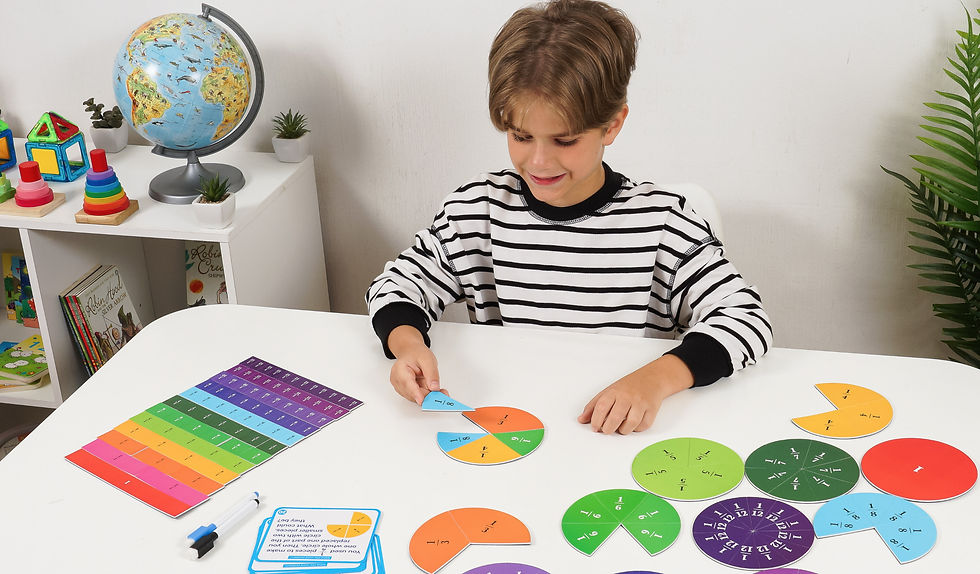
If dyscalculia is a collection of nine survival profiles —and traditional testing can’t see the whole picture —then intervention must be as nuanced and individualized as the kids themselves.
That’s where my work begins.
I don’t teach math the way most people think of “math help.”
I rebuild the cognitive, emotional, and conceptual systems that make math possible.
This isn’t worksheets.
This isn’t extra practice.
This isn’t performance coaching.
This is a completely different intervention model —rooted in multisensory instruction, educational therapy, executive function integration, and neurodiversity-informed teaching.
My goal isn’t just for a child to pass a class.
My goal is for a child to understand, to think, and to finally feel capable in a way that lasts.
⭐ 1. Multisensory Math Instruction (The Foundation of Understanding)
Every concept is taught the way the brain actually learns:visual → tactile → verbal → symbolic.
This is how we build real comprehension — not just recall.
For teachers, this might look like:
using manipulatives to show how fractions work before introducing the algorithm
modeling slope on a coordinate plane before teaching rise/run
showing algebra through tiles before diving into equations
For kids, it looks like relief:“Oh… now this makes sense.”
For the nine profiles, this approach does what nothing else does:
The Defiant Beauty feels safe enough to try.
The Memory Vaporizer finally retains information.
The Conceptual Stranger sees the meaning behind the symbols.
The Procedural Performer learns to think, not imitate.
This is not curriculum.
It’s cognitive science applied to math.
⭐ 2. Educational Therapy (The Cognitive Rebuild)
Most children with dyscalculia don’t just struggle with math.
They struggle with the systems that math depends on.
Educational therapy lets me address:
working memory
processing speed
visual–spatial reasoning
metacognition
flexible thinking
error analysis
conceptual language
cognitive stamina
For parents, this means understanding that progress isn’t just measured by grades —it’s measured by a child’s ability to hold information, connect ideas, and regulate themselves while learning.
When we rebuild the cognitive architecture, the academic progress becomes inevitable.
This is why the kids who “tried everything” finally move forward here.
⭐ 3. Executive Function Integration (The Piece Everyone Else Misses)
Math is an executive function sport.
Kids need:
activation
task initiation
working memory
organization
sustained attention
mental shifting
self-monitoring
emotional regulation
Traditional tutoring ignores this.
I don’t.
In my sessions, math and executive function coaching happen simultaneously.
We:
create step-down strategies
build activation routines for kids who freeze
use planning tools for kids who get lost
scaffold problem-solving processes
co-regulate during frustration
use visual supports to reduce cognitive load
build stamina and tolerance for uncertainty
The result?
Kids stay regulated enough to learn —and confident enough to keep trying.
⭐ 4. Neurodiversity-Informed, Trauma-Aware Teaching
Many of my students arrive with math trauma — years of confusion, humiliation, and self-blame.
Math isn’t neutral for them.
It’s threatening.
So the intervention must be:
emotionally attuned
sensory-friendly
predictable
shame-informed
relationship-driven
safe
When a child feels safe, their brain learns.
When they feel understood, their load lightens.When they feel capable, their identity begins to shift.
My lived experience with ADHD and autism gives me a window into their nervous systems —how they think, how they mask, and what they need to stay regulated.
We don’t just repair math skills here.
We repair trust, confidence, and self-belief.
⭐ 5. The Results: What Happens When Everything Finally Clicks
This approach changes kids — not just academically, but emotionally and neurologically.
I’ve seen:
students go from failing to thriving
anxious kids approach math with curiosity
shutdown learners re-engage
conceptual gaps close
working memory strengthen
problem-solving skills emerge
identities rebuild
entire families breathe again
Take Mia.
She once froze at the sight of a word problem.
During our first session, she insisted, “I can’t do this.”
Three months later, using models and multisensory strategies, she lit up when she realized she finally understood fractions.
Her parents told me,“She’s smiling during math for the first time in years.”
For parents, this means watching their child walk away from a session proud instead of defeated.
It means seeing progress that isn’t fragile or inconsistent — but real, grounded, lasting.
For clinicians, it means the executive function skills improve alongside the math.
For teachers, it means a student who finally participates with confidence.
This isn’t just a method.
It’s a pathway —to healing, understanding, and growth.
It’s the missing piece in the dyscalculia landscape.
And it’s changing lives every day.
A Better Path Forward

Dyscalculia isn’t a mystery.
It’s a pattern we’ve been blind to for far too long —but now, we finally have the tools to see it clearly.
For parents, this means finally understanding why their child has struggled for so many years — and knowing it was never their fault.
For teachers, this offers a framework that explains the gaps they’ve observed but could never name.
For clinicians, this reveals the cognitive and emotional realities that test scores alone can’t capture.
The nine profiles transform what once felt confusing, inconsistent, or hopeless into something understandable —predictable, even — once you know what you’re looking at.
Praised for performance.
Punished for cries for help.
Reduced to test scores — their real story was never told.
But now it can be.
Because the truth is simple:
There was never anything wrong with these kids.
There was something wrong with how we understood them.
And once we understand them — fully, accurately, compassionately — everything shifts.
Parents stop blaming themselves.
Teachers stop feeling lost.
Clinicians see a clearer picture.
And kids?
Kids finally get to stop carrying shame that was never theirs.
I’ve seen children who hid their math homework in tears walk into sessions with curiosity and pride.
I’ve seen kids who once shut down at the sight of a worksheet light up when a concept finally makes sense through the right model.
I’ve seen parents, exhausted and heartbroken, breathe again for the first time in years —because their child is not only learning…their child is healing.
This is what happens when we stop treating dyscalculia as a single deficit and start recognizing the nine survival profiles that shape each child’s experience.
And this is how we build a better path forward:
safety instead of shame
understanding instead of memorization
conceptual clarity instead of procedures
nervous system awareness instead of pressure
multisensory instruction instead of worksheets
executive function support instead of “try harder”
individualized intervention instead of one-size-fits-all
We don’t create this future by waiting for a broken system.
We create it by using methods that finally match the complexity of the kids we serve.
A better future for these kids isn’t just possible —it’s already happening.
With every child we see, every profile we understand, and every life we change, we’re building a world where no child is left behind.
And we’re just getting started.
If you’ve recognized your child, student, or client in these profiles, don’t wait. Reach out today to learn how this framework can transform their learning experience—and their life.

About the Author
Ms. Susan Ardila is a Master's-level educator, Certified Educational Clinician, and the founder of MindBridge Math Mastery. With more than thirteen years of experience working almost exclusively with neurodiverse learners, she specializes in multisensory math instruction, dyscalculia intervention, and executive function coaching. As an autistic adult with ADHD, she brings both professional expertise and lived understanding to her work — helping parents, teachers, and clinicians finally see the cognitive patterns most systems overlook. Her mission is simple: to rebuild a child’s confidence through clarity, compassion, and the kind of math teaching that actually makes sense.
References & Further Reading
Butterworth, B., Varma, S., & Laurillard, D. (2011). Dyscalculia: From brain to education. Science, 332(6033), 1049–1053.
Geary, D. C. (2013). Early foundations for mathematics learning and their relations to learning disabilities. Current Directions in Psychological Science, 22(1), 23–27.
Price, G. R., Mazzocco, M. M., & Ansari, D. (2013). Why mental arithmetic counts: Brain activation during single-digit arithmetic predicts future math scores. Child Development, 84(2), 588–601.
Wilson, A. J., & Dehaene, S. (2007). Number sense and developmental dyscalculia. Encyclopedia of Language and Literacy Development.
Alloway, T. P., & Alloway, R. G. (2010). Investigating the predictive roles of working memory and IQ in academic attainment. Journal of Experimental Child Psychology, 106(1), 20–29.
Swanson, H. L., & Jerman, O. (2006). Math disabilities: A selective meta-analysis of the literature. Review of Educational Research, 76(2), 249–274.
Diamond, A. (2013). Executive functions. Annual Review of Psychology, 64, 135–168.
Paas, F., Renkl, A., & Sweller, J. (2003). Cognitive load theory and instructional design: Recent developments. Educational Psychologist, 38(1), 1–4.
Armstrong, T. (2010). The power of neurodiversity: Unleashing the advantages of your differently wired brain. Da Capo Press.
Pellicano, E., & Burr, D. (2012). When the world becomes “too real”: A Bayesian explanation of autistic perception. Trends in Cognitive Sciences, 16(10), 504–510.
Ashcraft, M. H., & Krause, J. A. (2007). Working memory, math performance, and math anxiety. Psychonomic Bulletin & Review, 14(2), 243–248.
Beilock, S. (2011). Choke: What the secrets of the brain reveal about getting it right when you have to. Free Press.
Gersten, R., Beckmann, S., Clarke, B., Foegen, A., Marsh, L., Star, J. R., & Witzel, B. (2009). Assisting students struggling with mathematics: RtI for elementary and middle schools. Institute of Education Sciences.
Sousa, D. A. (2015). How the brain learns mathematics. Corwin Press.
Faraone, S. V., Asherson, P., Banaschewski, T., Biederman, J., Buitelaar, J. K., et al. (2015). Attention-deficit/hyperactivity disorder. Nature Reviews Disease Primers, 1, 15020.
Klin, A., Volkmar, F. R., & Sparrow, S. S. (2000). Asperger syndrome. Guilford Press.
Dehaene, S. (2011). The Number Sense: How the Mind Creates Mathematics. Oxford University Press.
Baddeley, A. (2012). Working memory: Theories, models, and controversies. Annual Review of Psychology, 63, 1–29.
Skemp, R. (1976). Relational understanding and instrumental understanding. Mathematics Teaching, 77, 20–26.


Comments